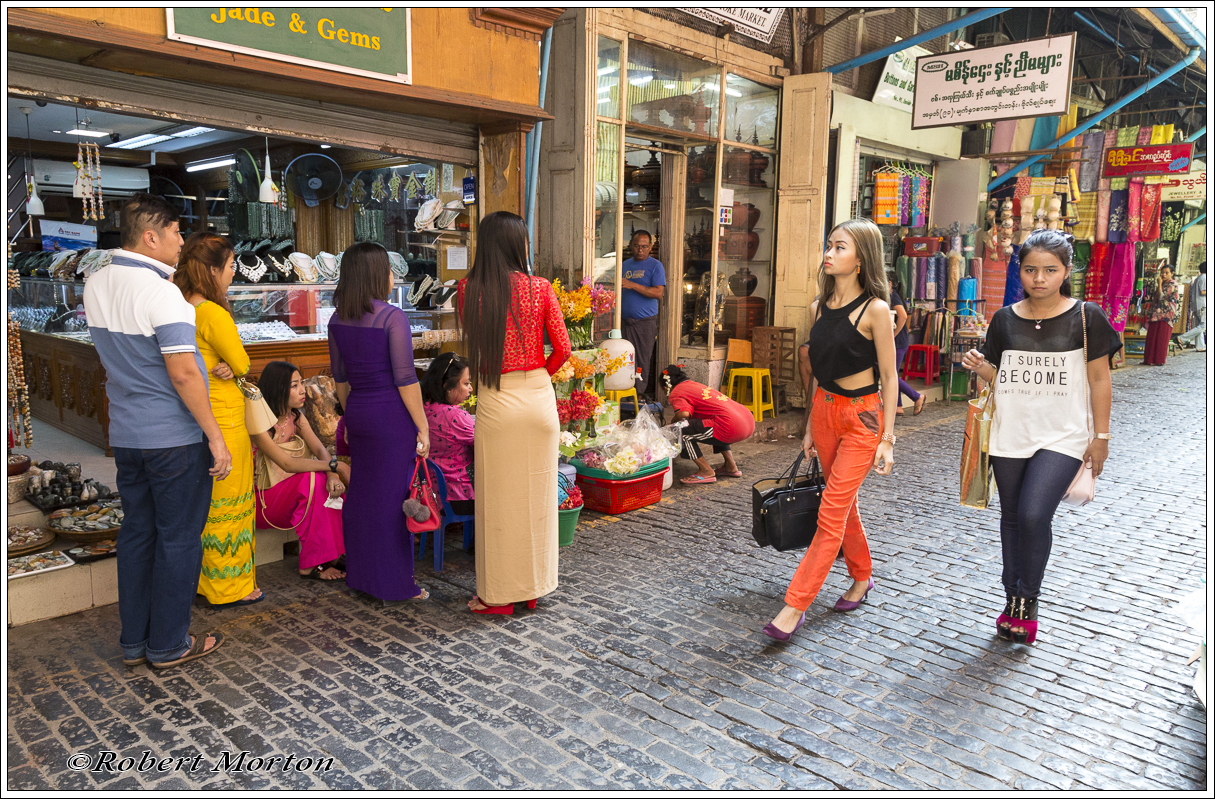
Our weekly cycling tour took us on a route along the South Shore of Lake Nipissing.
Sunset Cove was a rest stop.

The subtle beauty of the place is remarkable.
Our weekly cycling tour took us on a route along the South Shore of Lake Nipissing.
Sunset Cove was a rest stop.
The subtle beauty of the place is remarkable.
Filed under Photographs
More photographs of new Wall Art in Downtown North Bay.


Friday evening’s Gallery Hop will give you an opportunity to see this new work if you can’t go shopping Downtown before then.
Visit the walkway between Deegan’s and Michelle’s FrameMaker on Main Street to find it.
Filed under Photographs
Detail from spectacular new wall art in Downtown North Bay.
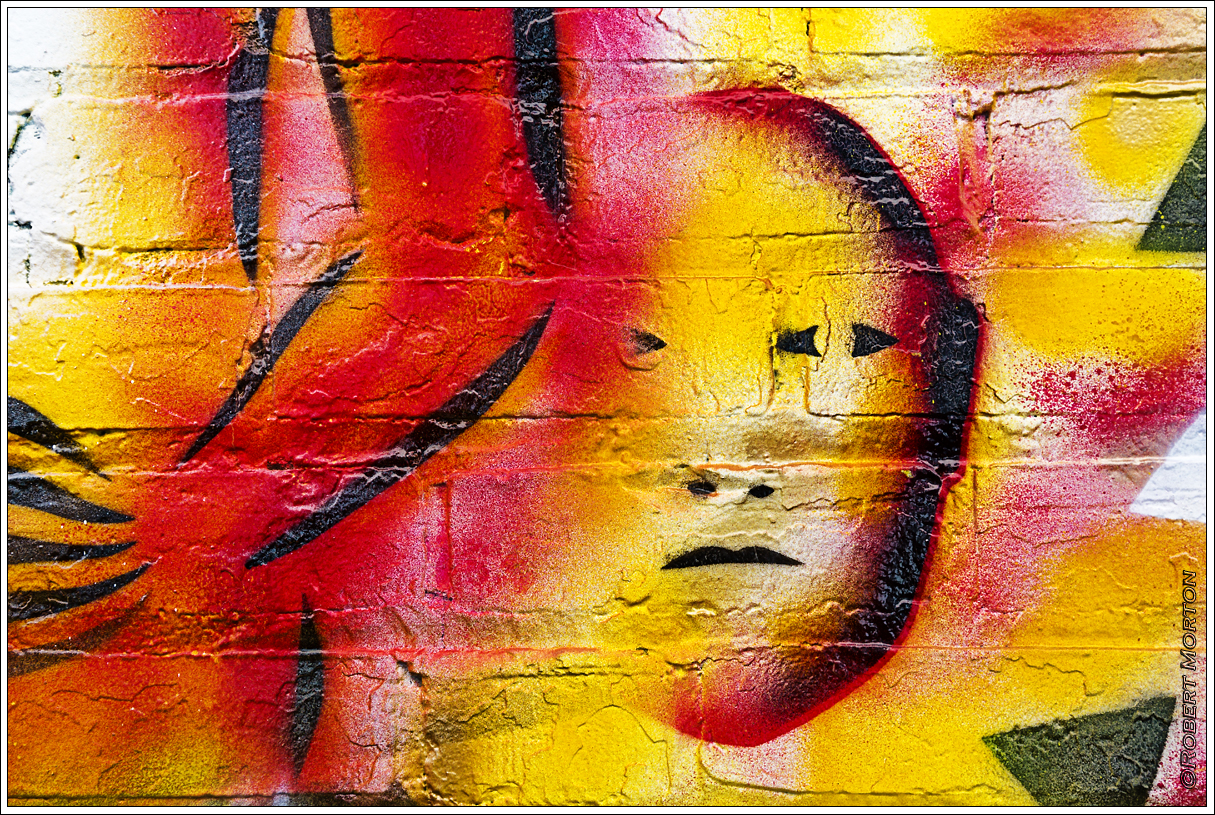

A marvellous addition to the colour of life in The Bay!
Filed under Photographs
On the North Bay Waterfront.
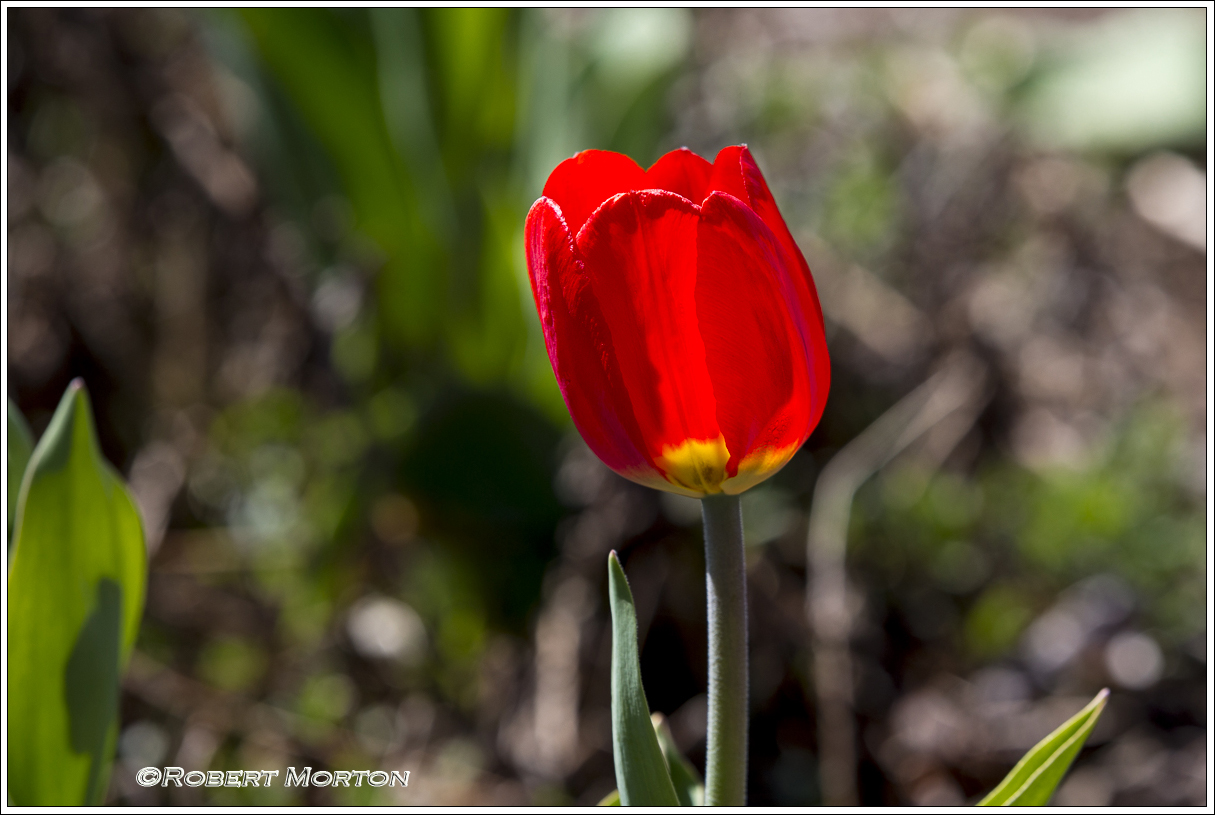
The Heritage Gardeners are off to a great start!
Filed under Photographs
This gull was kind enough to pose by the water’s edge.

Ready for another nice day foraging on Lake Nipissing.
Filed under Photographs
Inle Lake in Myanmar is one the world’s unique places. It is a candidate for listing as a UNESCO World Heritage Site.
The Lake is the second-largest fresh-water lake in Myanmar, with an estimated surface area of 104 square miles.
At present, the length of the lake from north to south is 24 miles; its original length was 36 miles. The average water depth is 7 feet (2.1 m), with the deepest point being 12 feet (3.7 m) deep. During rainy season, the lake’s depth can increase by up to 5 feet (1.5 m).
The lake is weed-choked and conventional outboard motors are useless.
One practice that distinguishes Inle from other places in the world is a unique paddling style used to propel small boats through the weeds while fishing. Standing on the left leg while using the right hand and the right leg to manipulate the paddle, leaves the left hand free to handle nets and other equipment. Standing also allows sight through high reeds.


How often one falls in the water while learning the technique is a question not answered.
Filed under Photographs
People in Myanmar are shy, polite, proud and friendly.
And very photogenic.
They didn’t mind my making their photographs. It seemed a pleasant experience for those photographed. Showing them the result when possible always produced smiles.


On more than one occasion I was asked to have my photo taken with a local. Not because of my good looks, but more because I am a Western tourist. It was always an enjoyable experience with lots of smiles and laughs exchanged.
And oh yes, it seems everyone has a smartphone.
Filed under Photographs
A great deal of agriculture takes place on the banks of the river.


Note the absence of mechanized equipment. In 10 days travelling on the river there were no tractors seen working the fields. All the work appeared to be done by hand, using oxen for the heavier tasks.
Filed under Photographs
Motorbikes outnumber private cars by a very large margin in Myanmar. The car has a red plate, which identifies it as a taxi.
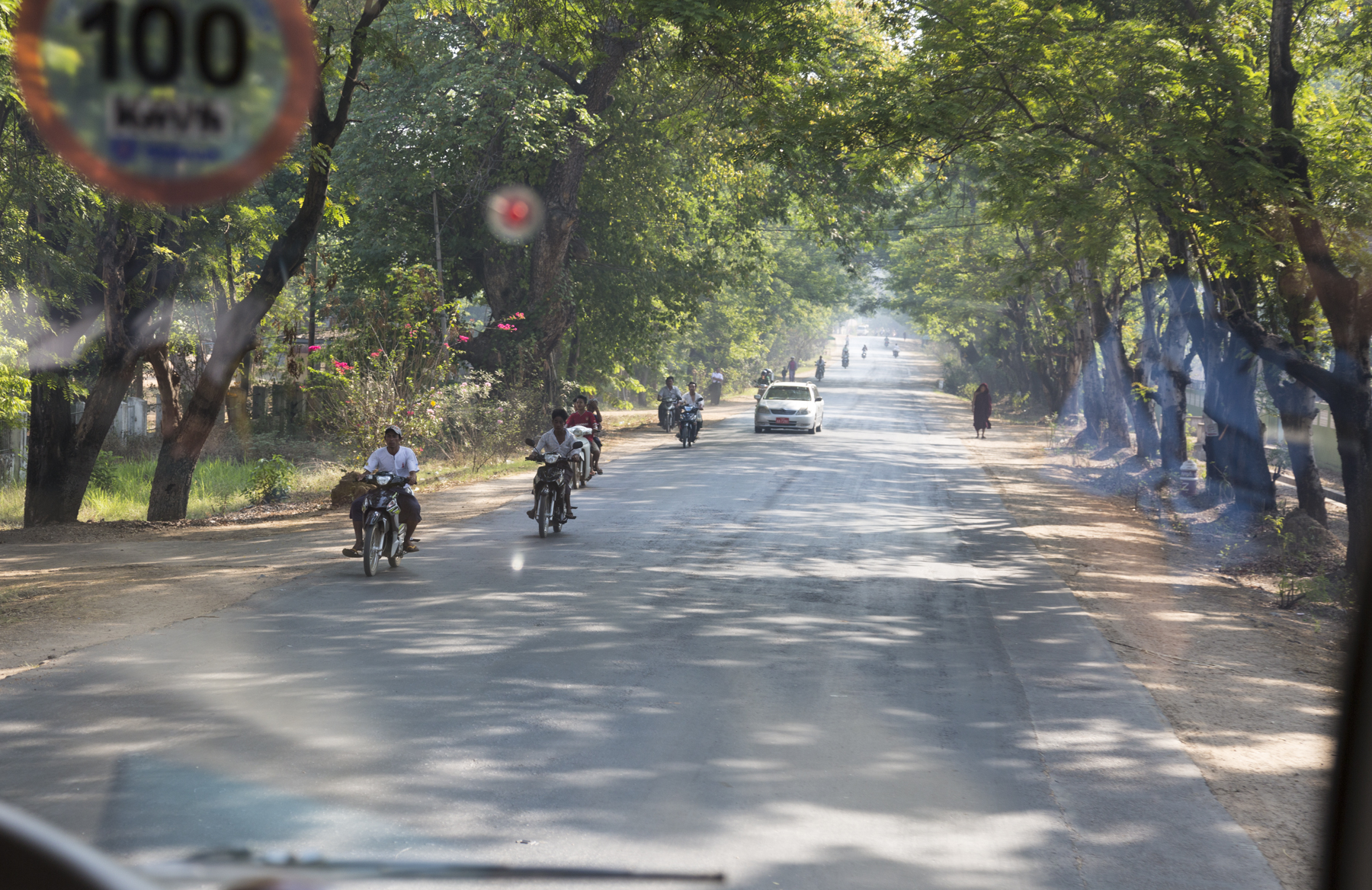
Private individuals get around by motorbike (many are Chinese made), bicycle, on foot or in the back of a pick-up truck fitted with benches, licensed as a taxi. (Red plate)
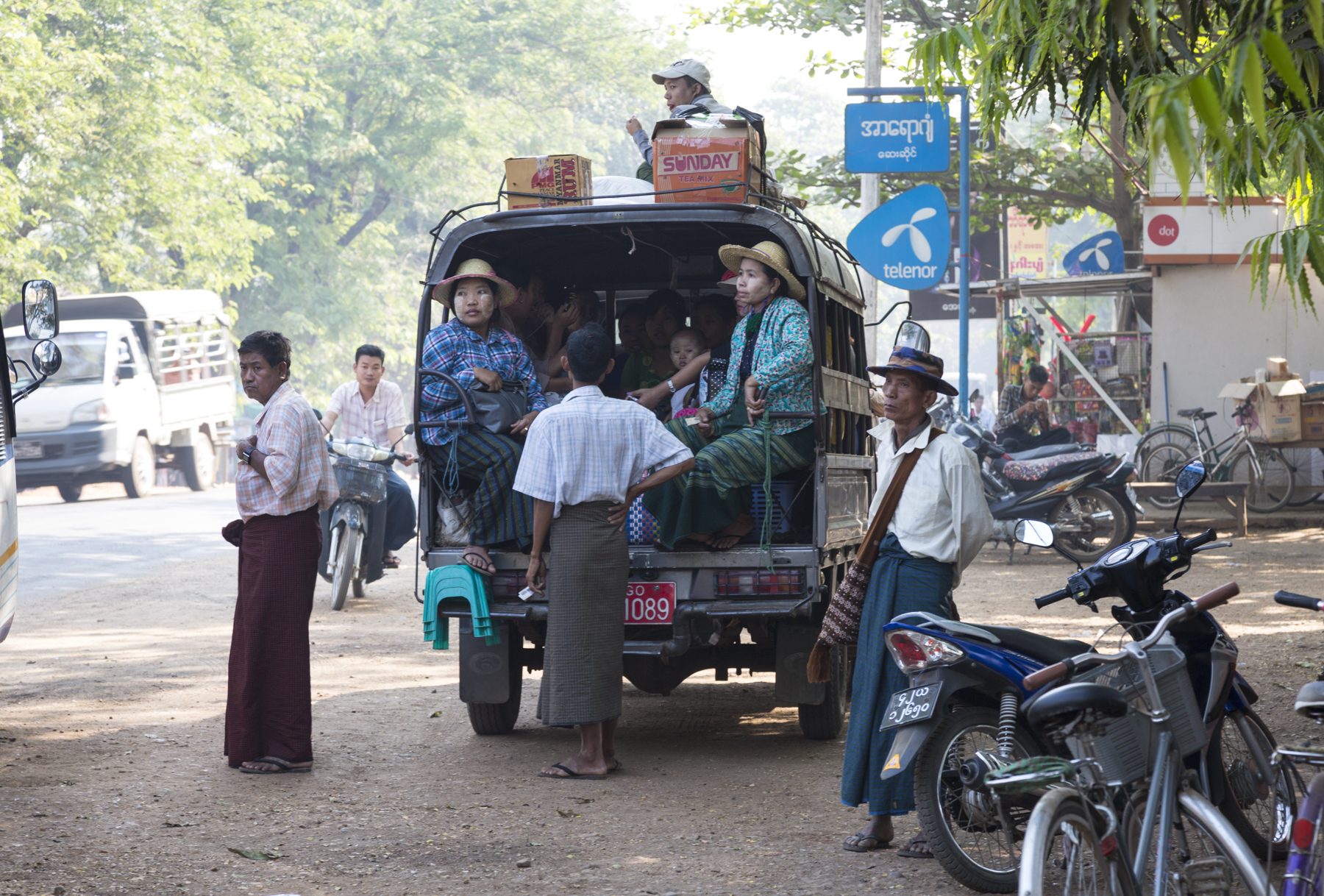
Those people riding on the roof of the truck are said to be travelling “Upper Class” by the locals.
Filed under Photographs
Using local clay pulled from the Irrawaddy River bed, the village of Yandabo makes pots by the thousands.
The terra cotta pots are used for storage of water or food and are distributed throughout the Mandalay Region of Myanmar.
For firing the pots, “kilns” are formed by piling the pots, covering them with rice stalks and setting it on fire. The pile smolders for three days or so and then the pots are retrieved from the pile.


Everything is done by hand in many yards of many houses in the town.
This is literally “Cottage Industry” using methods going back hundreds of years.
Filed under Photographs
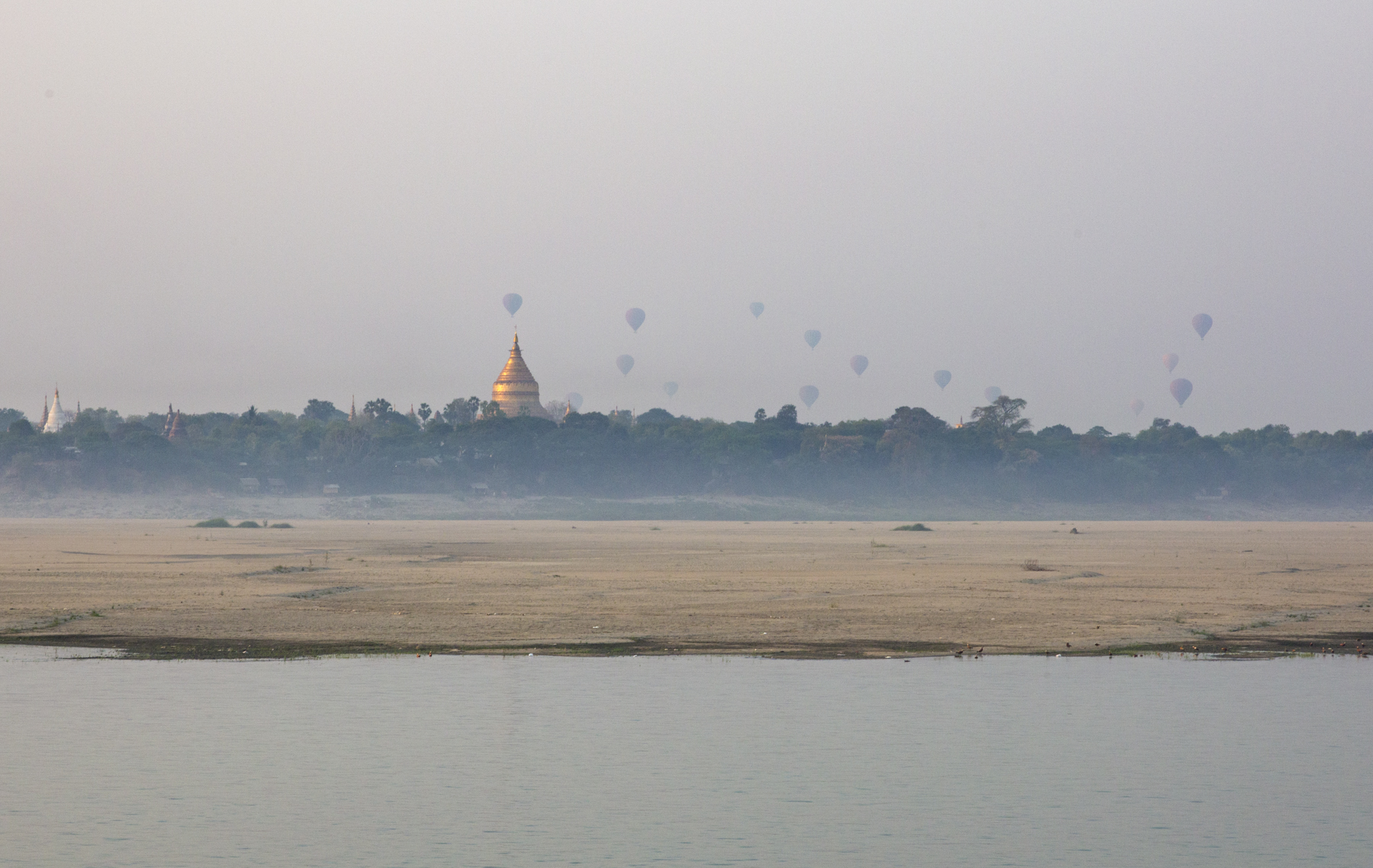
Morning balloon rides are very popular in Bagan, site of over 2500 Buddhist temples. Seeing this array of religious sites at sunrise from a balloon is a highlight to be checked off your bucket list.
Filed under Photographs
Bagan is an ancient city located in the Mandalay Region of Myanmar . From the 9th to 13th centuries, the city was the capital of the Kingdom of Pagan, the first kingdom to unify the regions that would later constitute modern Myanmar.
During the kingdom’s height between the 11th and 13th centuries, over 10,000 Buddhist temples, pagodas and monasteries were constructed in the Bagan plains alone, of which the remains of over 2200 temples and pagodas still survive to the present day.
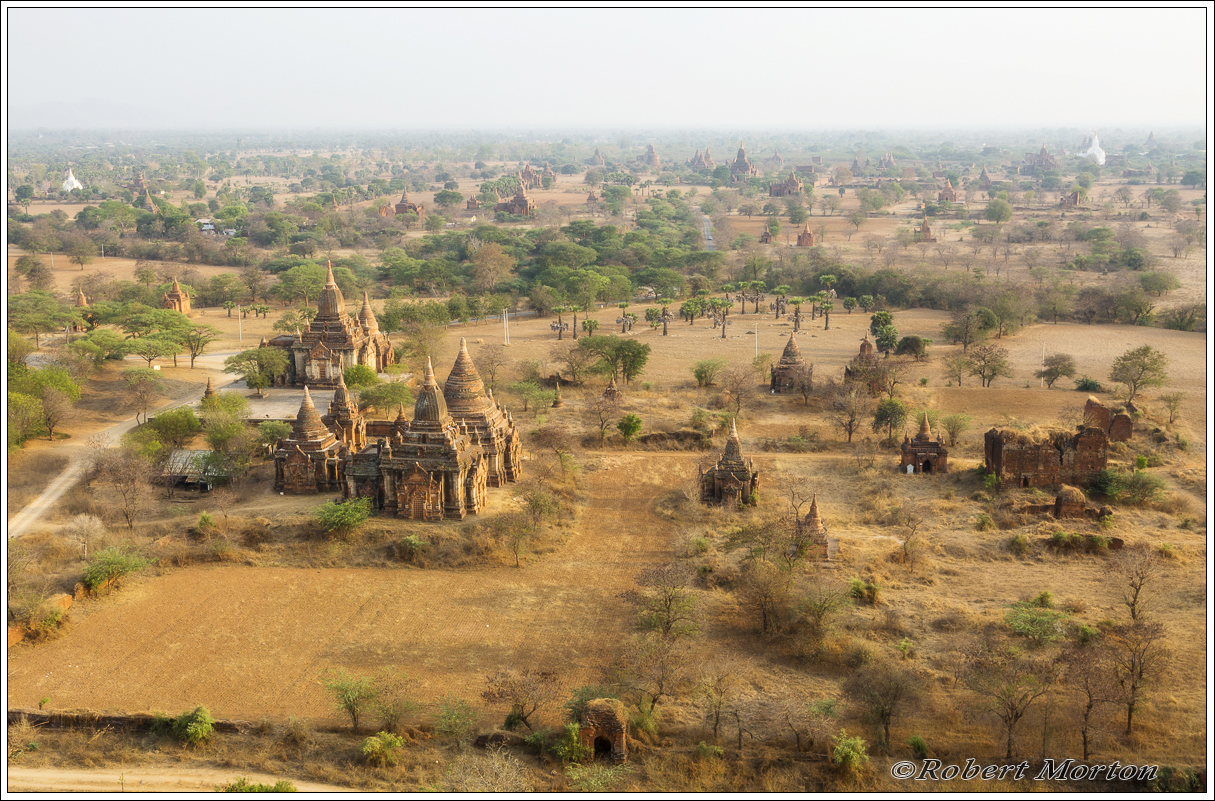
Temples everywhere you look. And then some…
Filed under Photographs
Where to take the boat?
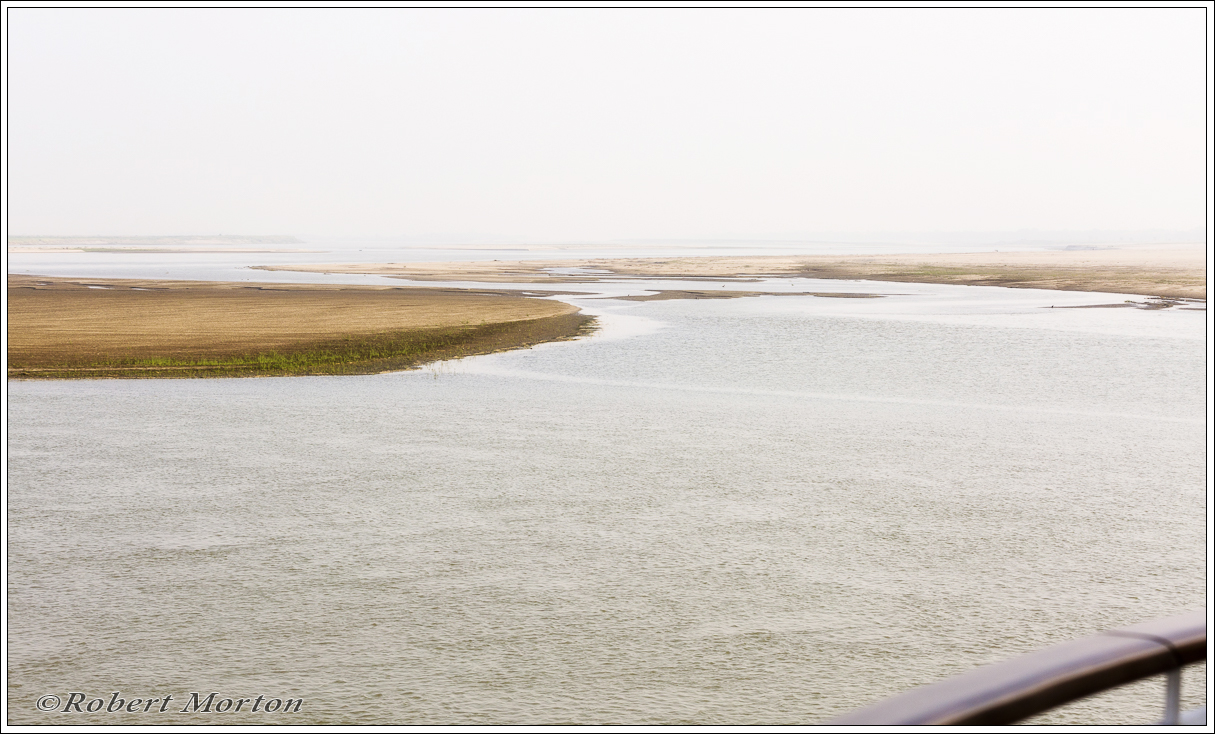
The River is full of navigational hazards and keeps changing from week to week and day to day. The channels are continually changing and fixed navigational markers are next to impossible. Dredged channels disappear quickly.
River levels can vary by 30 feet depending on rainfall and time of year.
A tricky challenge for the Captain at the best of times.
Filed under Photographs